
Susan Weinberg was Director of Publishing Business Training at Hachette following a career that included executive posts at Hachette Book Group, Perseus Books, HarperCollins and Book-of-the-Month Club. Her last operational role was EVP & Publisher for Workman Publishing. She has held faculty roles at NYU’s Center for Publishing, Writing and Media.
For publishing people, P&Ls can be opaque–until they learn the language of the ledger. There are two maxims I always found useful at work. The first: It’s not about doing things right, it’s about doing the right things. The second: Plans are useless, but planning is essential. When you approach the budget and the income statement as a chance to learn, you open up the power of the financials.
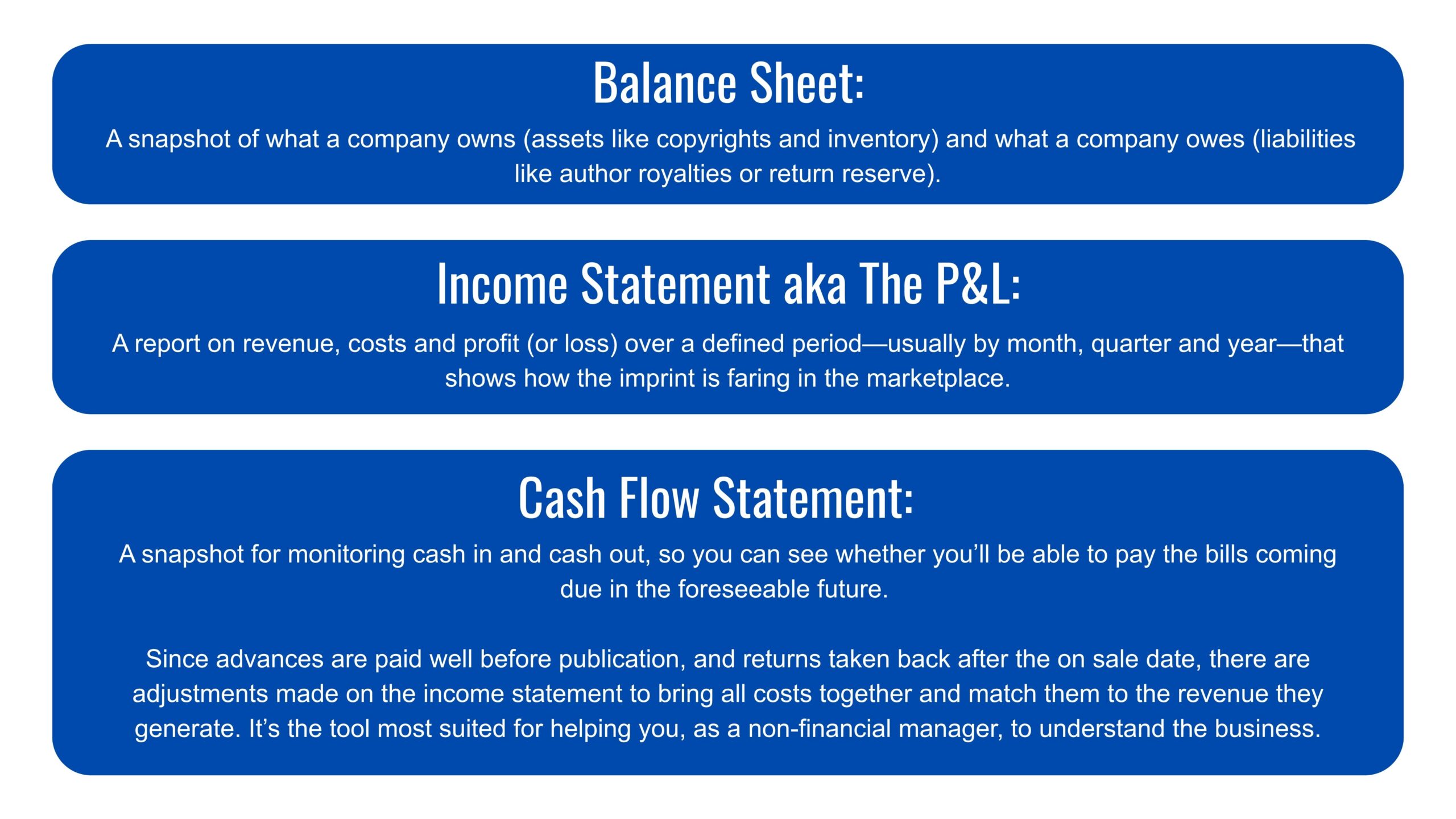
I spent the previous year in workshops with my colleagues where we looked at the publishing numbers together. What I found again and again is a hunger for knowledge, understanding, and transparency. We need to listen for the question within the question. Once an executive editor asked me about the balance sheet. I realized she wasn’t trying to dig deep into how we calculate write-offs. She’d always been confused about these terms that were tossed around, like “income statement” and “balance sheet.” I could see sitting straighter, looking at the slides with more confidence, once this confounding question had been settled.
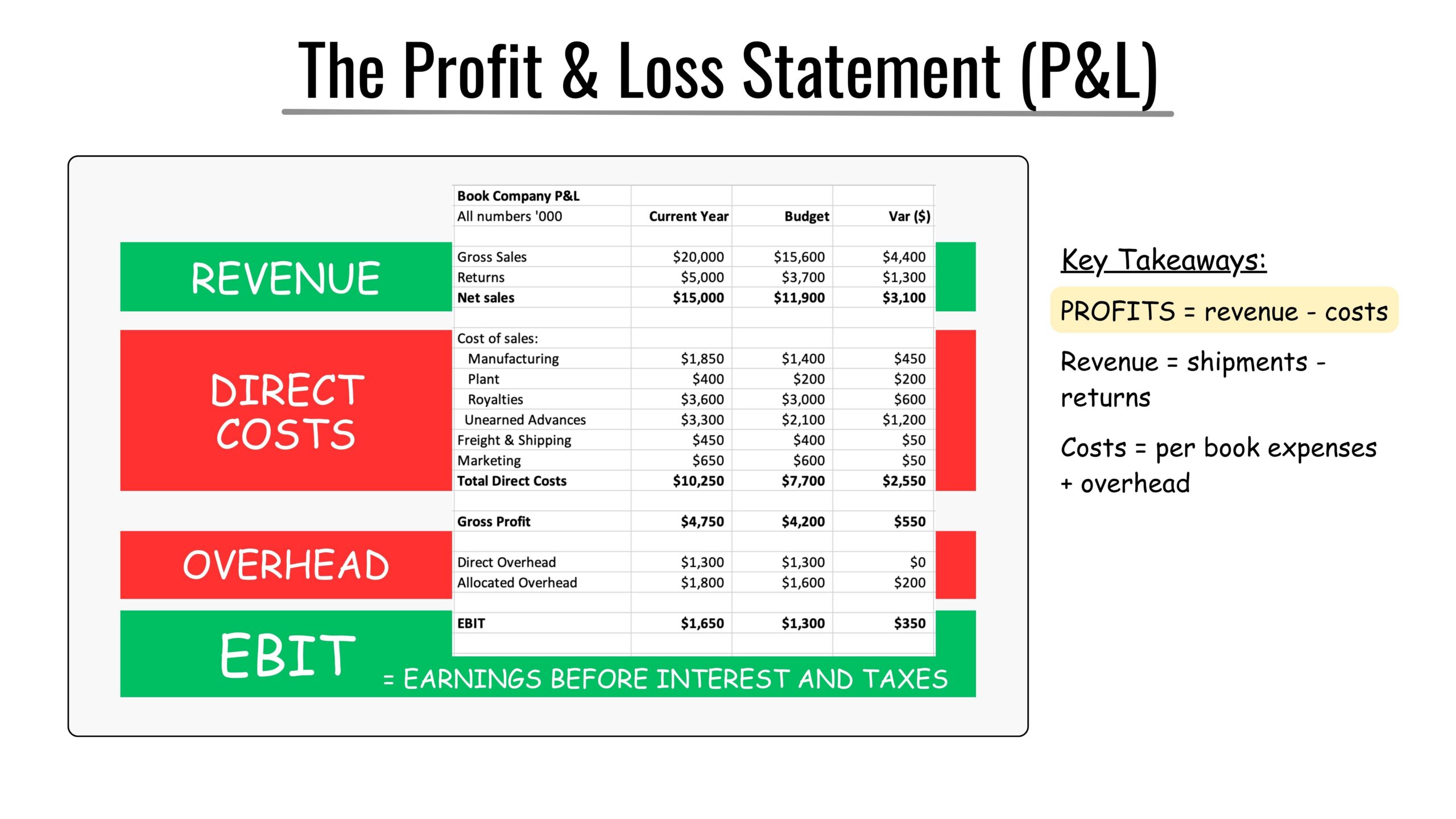
As managers, we are not nearly as good at transmitting basic financial skills as we’d like to think. Many find the income statement or title P&L to be an impenetrable sheet of numbers, and they are wondering how quickly they can turn the page. They are thrilled when they hear their manager describe what they themselves look for in the numbers. I always start by explaining that I look at the topline and then at the bottom line, before reviewing what’s in between. It’s not supposed to be a story with a surprise ending. You can interpret the cost lines more deftly after you have looked at the relationship between revenue and income. If you try to read it line by line, from top to bottom, you can easily lose your way—or fall asleep. Editors are thrilled to hear their publisher talk about how they read a title P&L. Suddenly a target number begins to make sense. And everyone wants to understand how a book can have an unearned advance and still make money.
Learning about all aspects of the publishing journey, especially through hearing from colleagues across departments, helps build a cohesive team. I have seen a salesperson with over 10 years in publishing delight in finally finding out how much it costs to manufacture a book. A crucial step building profitability is understanding how the parts work together. After she reviewed the imprint P&L with her staff, one publisher was struck by someone who said, “I didn’t realize there were so many costs.”
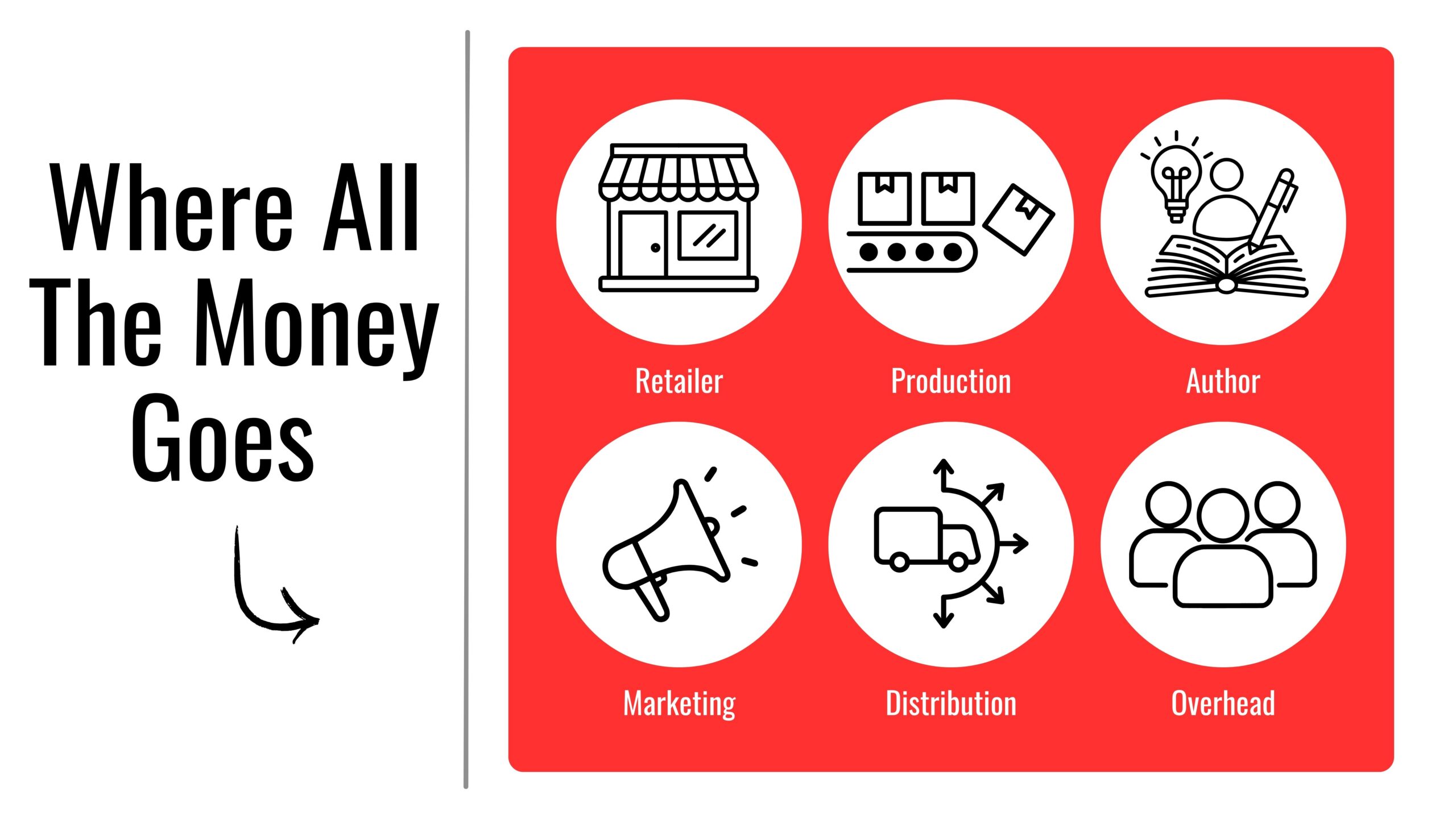
I like ending sessions by asking participants to match a list of publishing activities with their line on the income statement. For example, where does freight go? Ah, well, that depends on whether we are talking about the cost of books being shipped from the printer to our warehouse, or books being shipped out to accounts. As you go through the list, you see that everything we do appears in the P&L. (Including lunch, as in there are no free ones.) The connections become visible—on the income statement and in their work. Everything’s in there … if you know where to look.